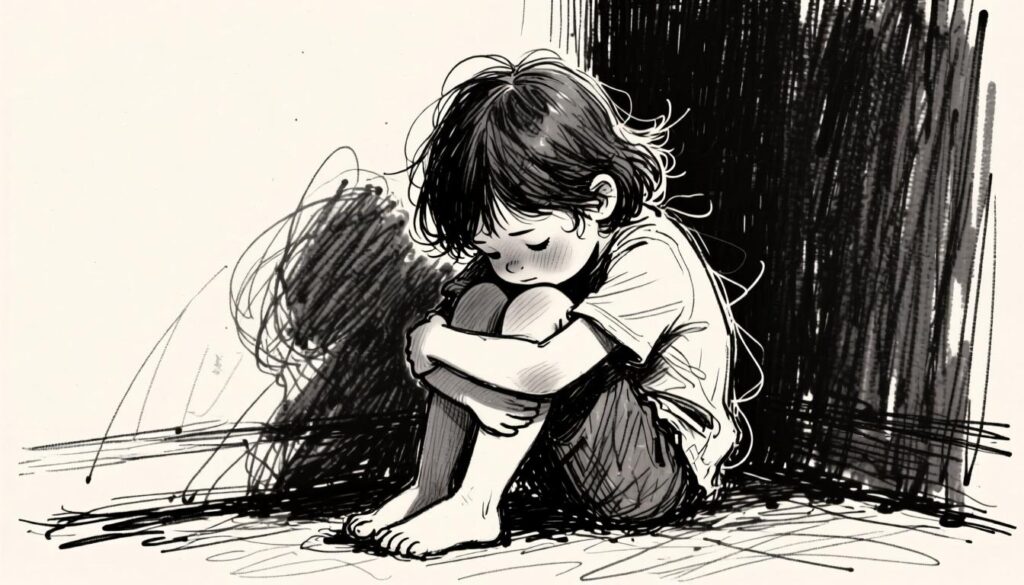
The article provides a comprehensive overview of Trauma Studies as a field of literary theory and criticism, tracing its evolution from its 19th-century psychoanalytic roots to contemporary literary frameworks.
The core concepts and historical shifts detailed in the article can be broken down as follows:
Foundations in Freudian Psychoanalysis
The field’s core psychological concepts rely heavily on Sigmund Freud’s early and late work regarding memory, trauma, and the unconscious:
- The Delayed Impact (Latency): In his early work Studies on Hysteria (1895, with Joseph Breuer), Freud argues that an extreme event is not necessarily traumatic in the moment it happens. Instead, it becomes traumatic retrospectively during a latency period (Nachträglichkeit), when a later event triggers the repressed memory. They noted that “hysterics suffer mainly from reminiscences.”
- Breaching the Shield: In Beyond the Pleasure Principle (1920), Freud shifted focus to war neurosis. He described trauma as a powerful external force that punctures the mind’s “protective shield.” This happens when a person experiences sudden “fright” without the psychological defense of anxiety to prepare them.
- The Compulsion to Repeat: Because a traumatized person cannot fully remember or integrate the event, they are driven by a “compulsion to repeat” it through nightmares or reenactments, attempting to retrospectively master the stimulus.
The First Wave of Literary Trauma Theory (The 1990s)
In the 1990s, scholars like Cathy Caruth, Shoshana Felman, and Geoffrey Hartman adapted Freud’s ideas into literary criticism, blending them with poststructuralist views on the limits of language:
- The Traditional/Unrepresentable Model: Spearheaded by Caruth’s Unclaimed Experience (1996), this traditional model views trauma as an event so catastrophic that it completely fragments consciousness.
- The Crisis of Language: Because the mind cannot process the event as it happens, trauma cannot be directly or literally put into words. It exists in a “timeless, wordless state” within the unconscious.
- The “Ghost” in the Text: Literature under this model is analyzed for its formal innovations—such as narrative fragmentation, gaps, and repetitions—which indirectly shadow or point toward an unspeakable, hidden truth. This model also allowed critics to link individual psychological wounds to collective, historical group traumas.
Evolutionary Shift to a Pluralistic Model
While the traditional 1990s framework focused heavily on trauma’s universal “unspeakability” and the permanent fracturing of identity, the article notes that the field quickly expanded. Newer, more pluralistic models emerged to challenge the absolute rule of unrepresentability, suggesting that silence or linguistic failure is just one of many diverse ways individuals and cultures respond to extreme suffering.