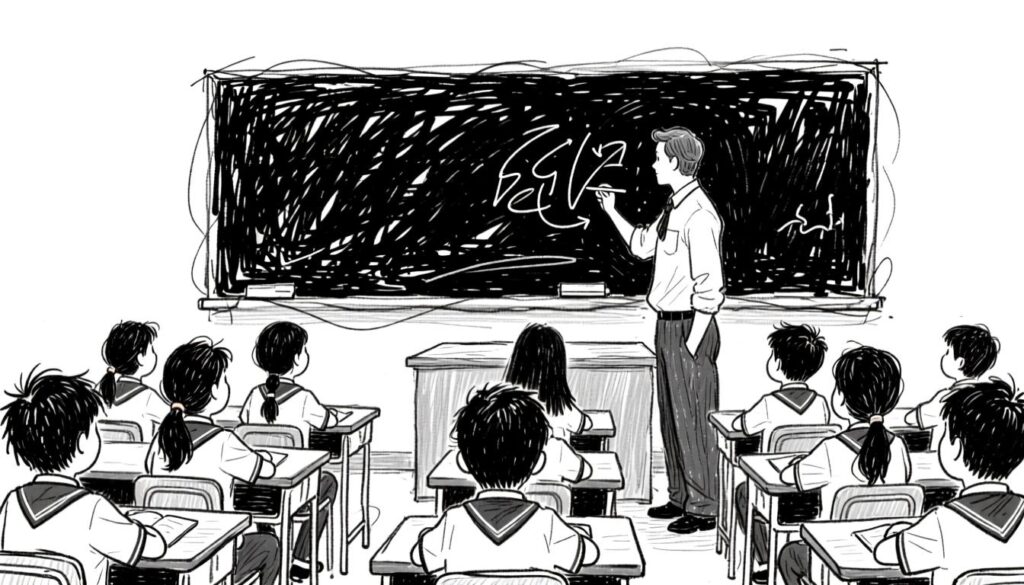
Institutionalized education and grooming in schools refer to the structured processes through which students are socialized and the dangers of predatory manipulation within academic settings. It broadly spans two primary concepts: the intentional acculturation of children to societal norms, and the patterned exploitation of authority by adults to isolate and manipulate vulnerable students.
Discussions around grooming in education generally fall into two distinct buckets:
- Behavioral and Sexual Misconduct: The systematic, predatory process where an adult or older peer slowly breaks down a child’s boundaries to sexually abuse or exploit them. This often involves favoritism, out-of-school contact, secret-keeping, and the manipulation of the student’s desire for good grades or attention
- Institutional Socialization: The intended or unintended shaping of a student’s values, behaviors, and worldviews. Sociological critiques argue that formal schooling grooms students for conformity, compliance with authority, and specific economic roles through hidden curricula like grading systems and standardized testing.
Predatory grooming in schools is an institutional issue. To combat this, many states have passed legislation (such as Erin’s Law) mandating child sexual abuse prevention education for staff and students. Warning signs that a child is being groomed include:
- Unexplained gifts or secretive communication (e.g., late-night texts/emails) from a staff member.
- The student expressing fear, appearing withdrawn, or showing a sudden change in their typical character.
- Special privileges or an inappropriate level of physical contact (e.g., lingering hugs, touching).
- The adult isolating the child from other peers or creating dependencies.
Educators are mandated reporters. If a student discloses abuse or if grooming behaviors are observed, it must be immediately reported to school administration and local law enforcement. Organizations like RAINN offer resources on how schools should implement boundary-setting policies, professional development, and reporting procedures to prevent abuse.